




Famille rose vase
1751 — 1900
National Museum in Szczecin
Part of the collection: Asian art
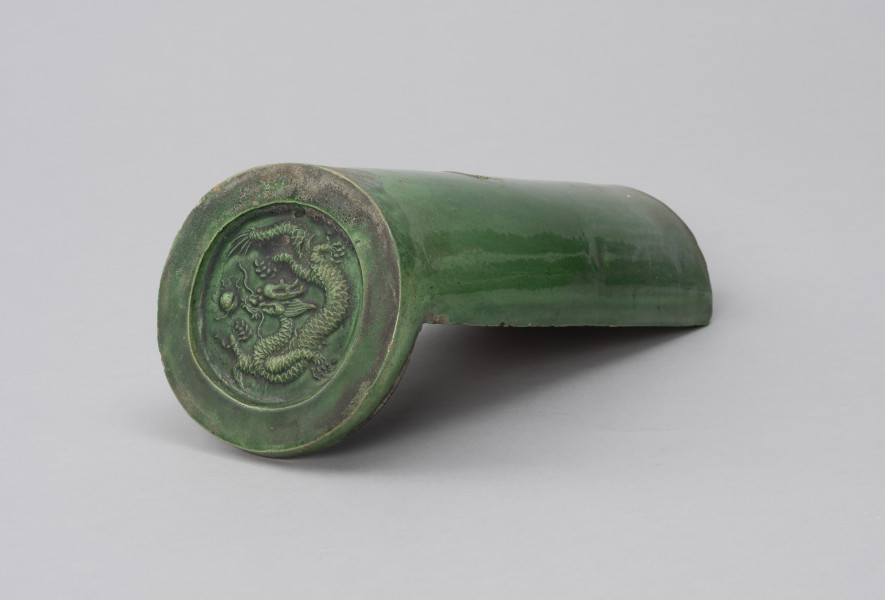
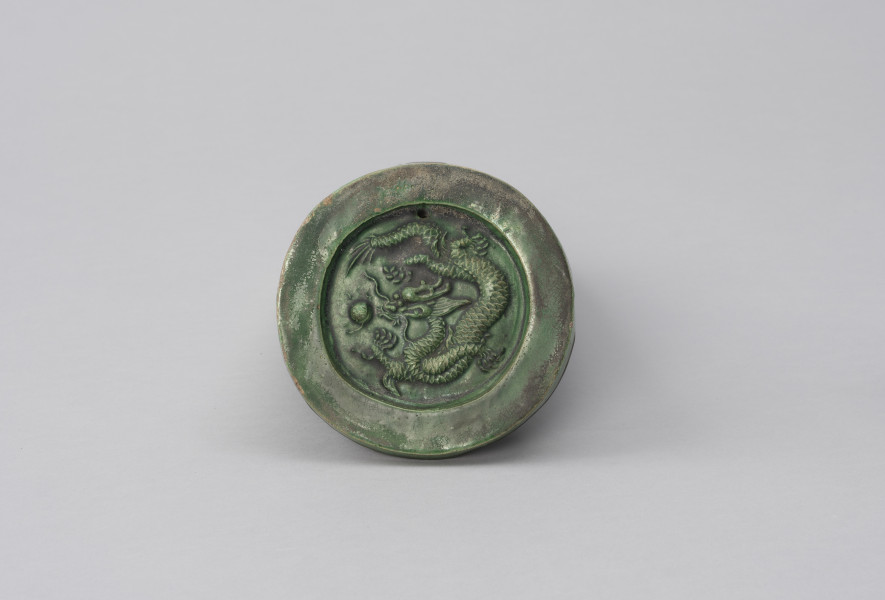
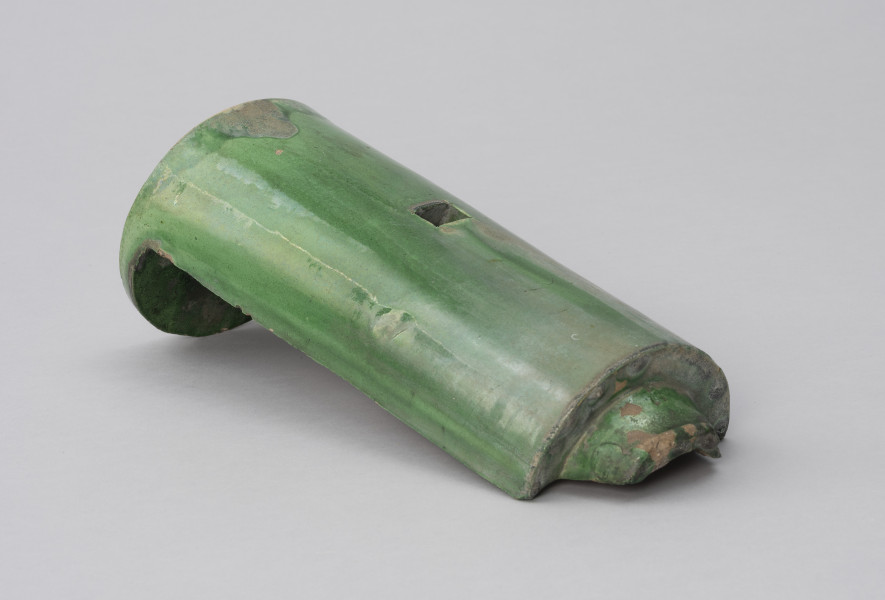
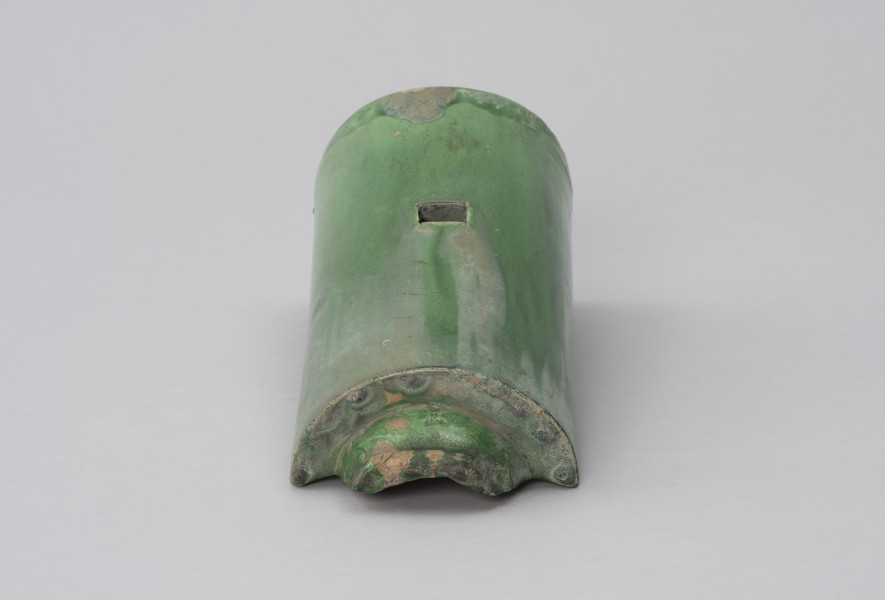
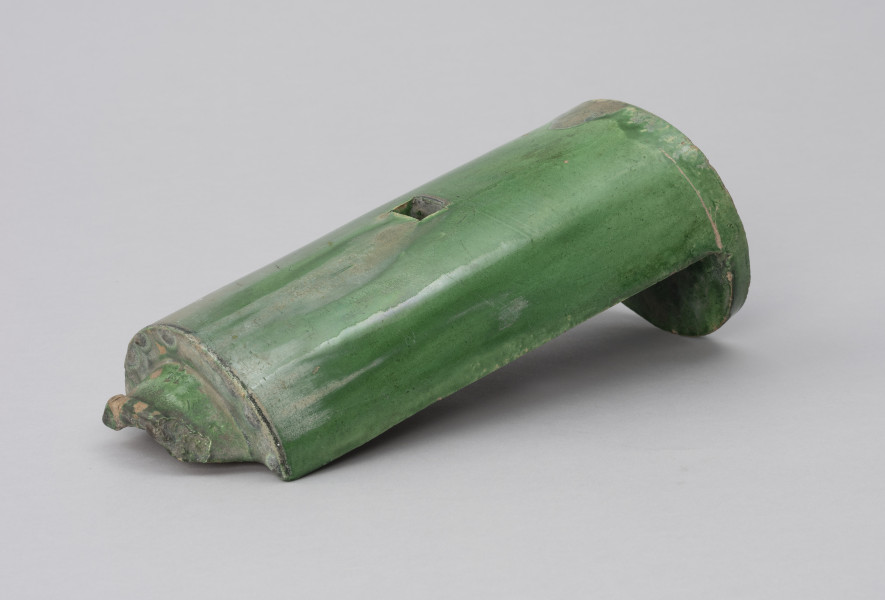
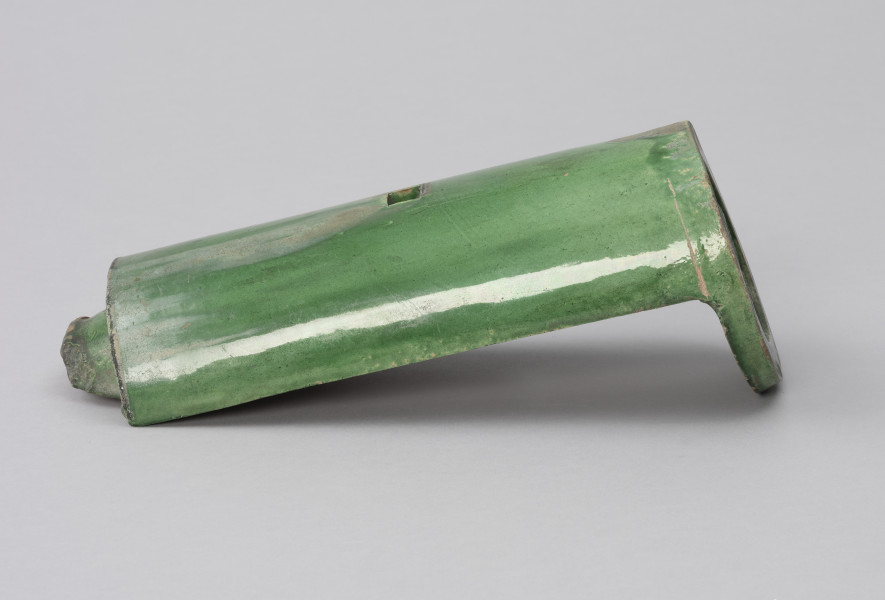
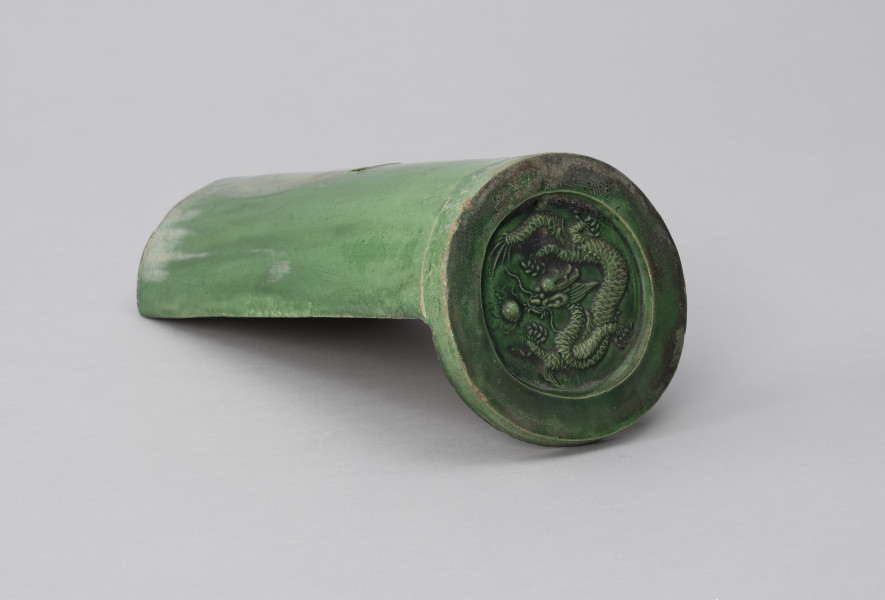
In Poland, semi-circular tiles in the form of an incomplete cylinder are called ridge tiles. To this day, they are used in many parts of the world to cover ridges and corners, although in ancient times and the Middle Ages they were also used to cover the joints between flat tiles of the tegulae in the valley, which, together with the ridge tiles, formed a monk and nun type roof. However, the presented semi-cylindrical tile, covered with green glaze on the outside, originated in China. The tile was built in the late period of the Manchu Qing dynasty (1644–1911) and dates back to the 19th or early 20th century. From the inside, a seal with Chinese ideograms was imprinted on it, and one end of it was finished with a round, decorative plaque with the image of a dragon on it.
This mythical animal in Cantonese called lung (lóng) has become one of the most favourite motifs in Chinese art. The dragon is usually depicted as a long, serpentine creature with huge claws among clouds and waves, as the ruler of the waters: rain, rivers and seas, and at the same time of fruitfulness and fertility. It has long been identified with prosperity and power, and its image is considered to bring good luck, personifying the concept yang in Chinese philosophy. The dragon on the depicted ridge tile breathes fire, has horns, long whiskers, a mane, four paws, a writhing, long, serpentine and scaly body. Next to its mouth is a frequent attribute of a dragon – a burning pearl that fulfils wishes – constituting one of the symbolic Eight Treasures, sometimes also interpreted as the symbol of thunder.
Katarzyna Findlik-Gawron
Author / creator
Object type
roof tile
Technique
mold casting, glazing
Material
ceramic, glazing
Origin / acquisition method
acquisition
Creation time / dating
Creation / finding place
Owner
The National Museum in Szczecin
Identification number
Location / status
1751 — 1900
National Museum in Szczecin
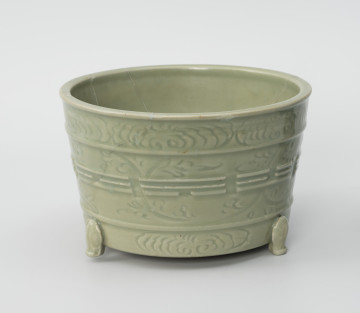
1501 — 1600
National Museum in Szczecin
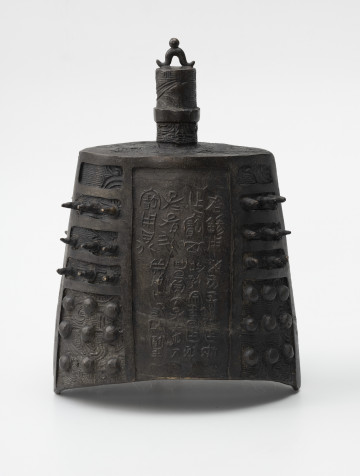
1122 p.n.e. — 256 p.n.e.
National Museum in Szczecin
DISCOVER this TOPIC
Museum of King Jan III's Palace at Wilanów
DISCOVER this PATH
Educational path