




Skate (skid)
476 — 1250
National Museum in Szczecin
Part of the collection: Middle Ages
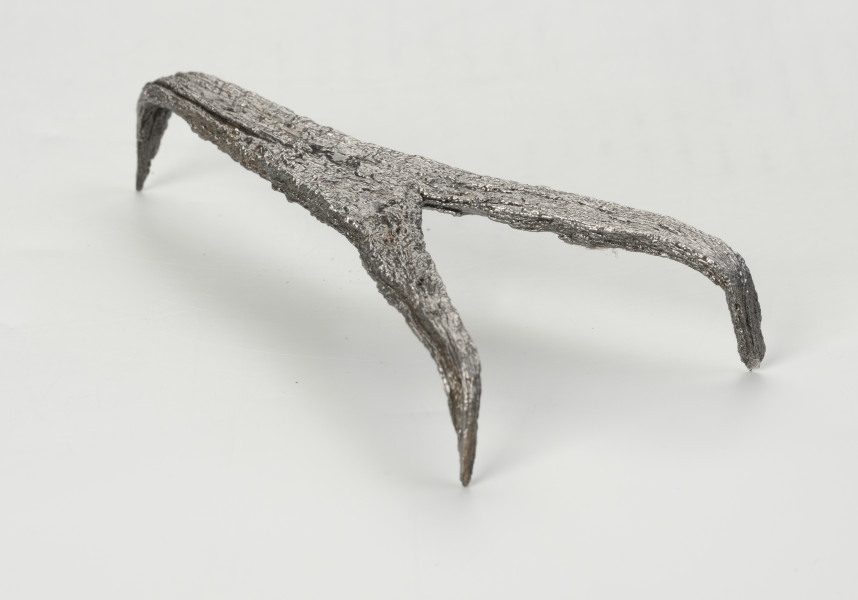
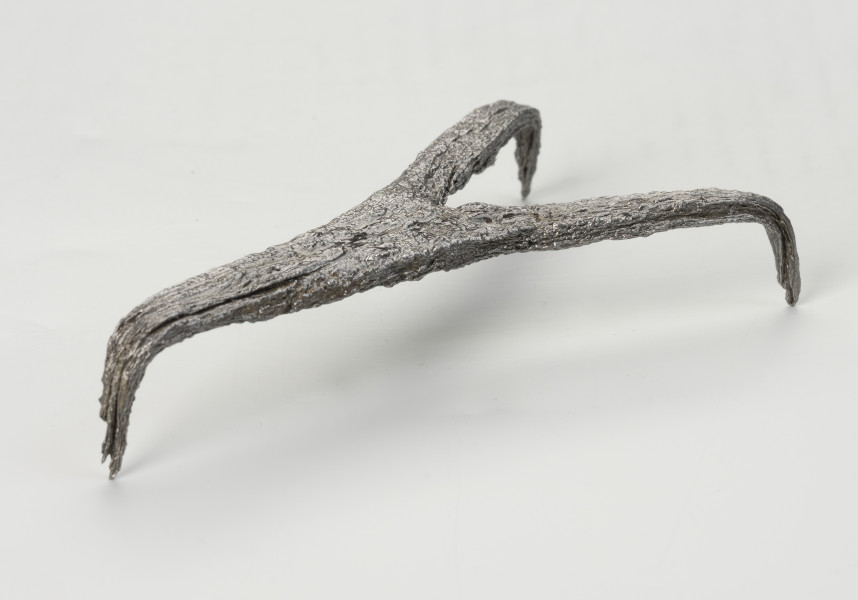
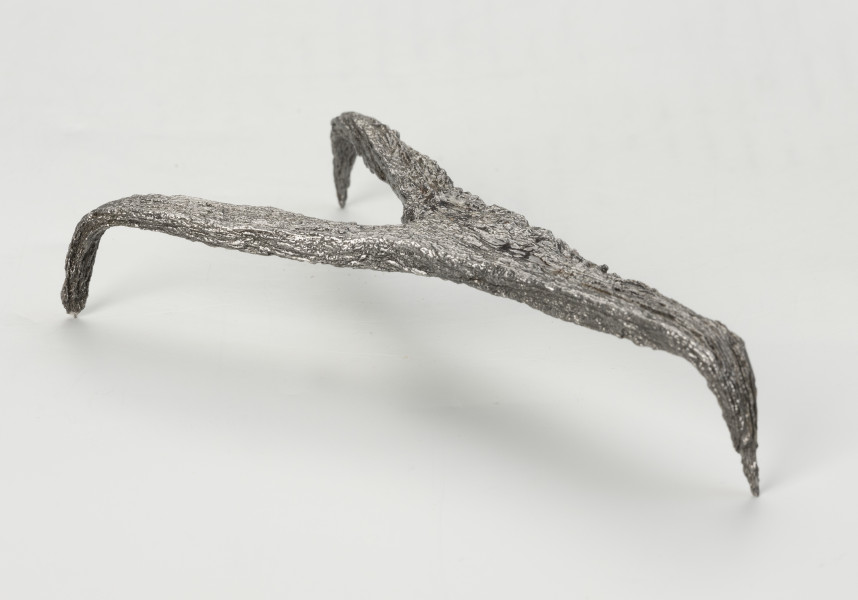
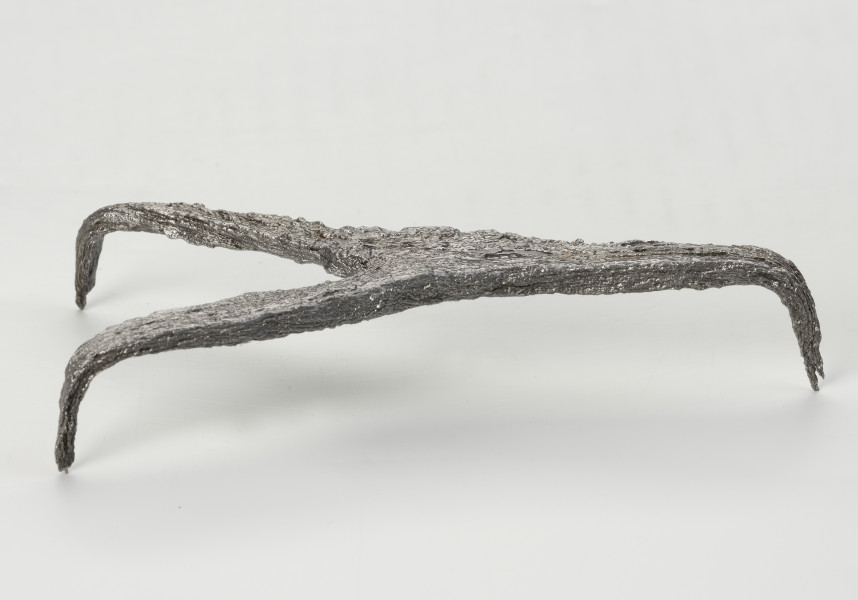
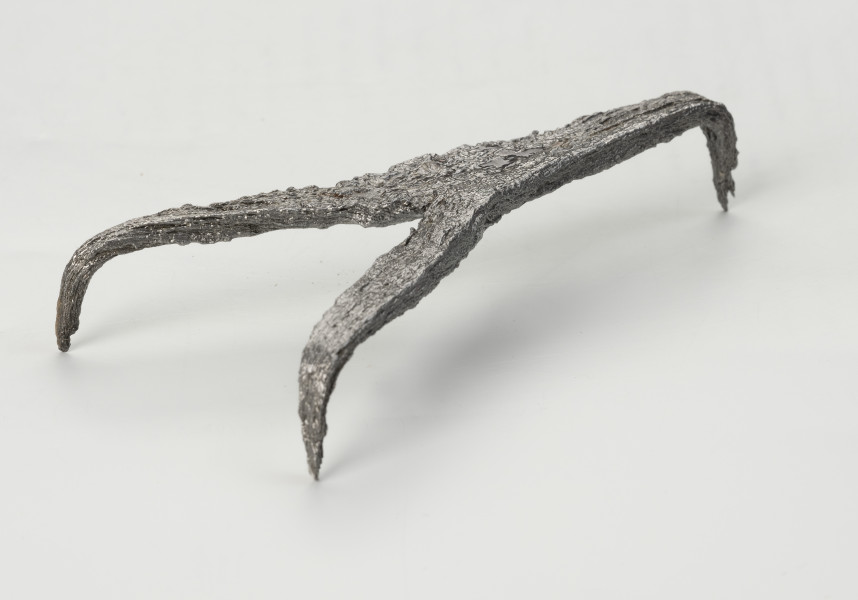
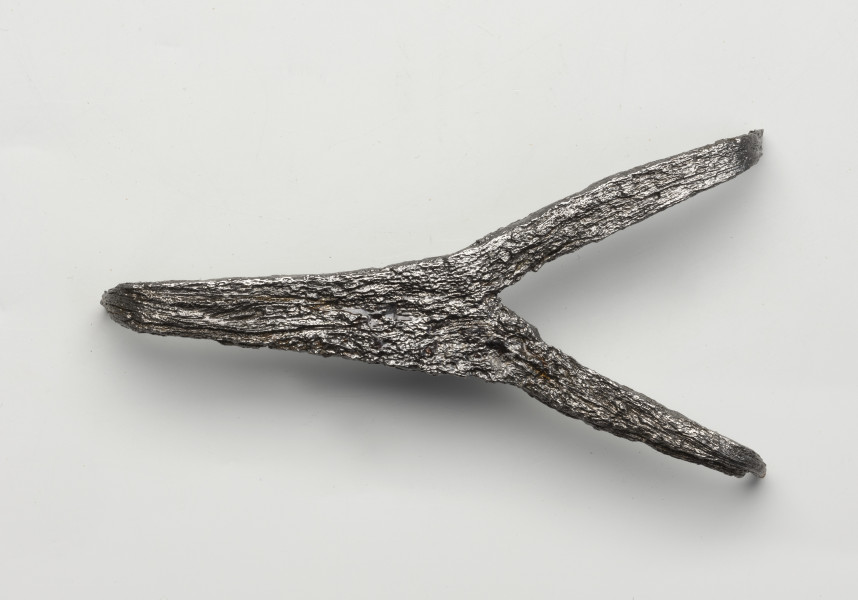
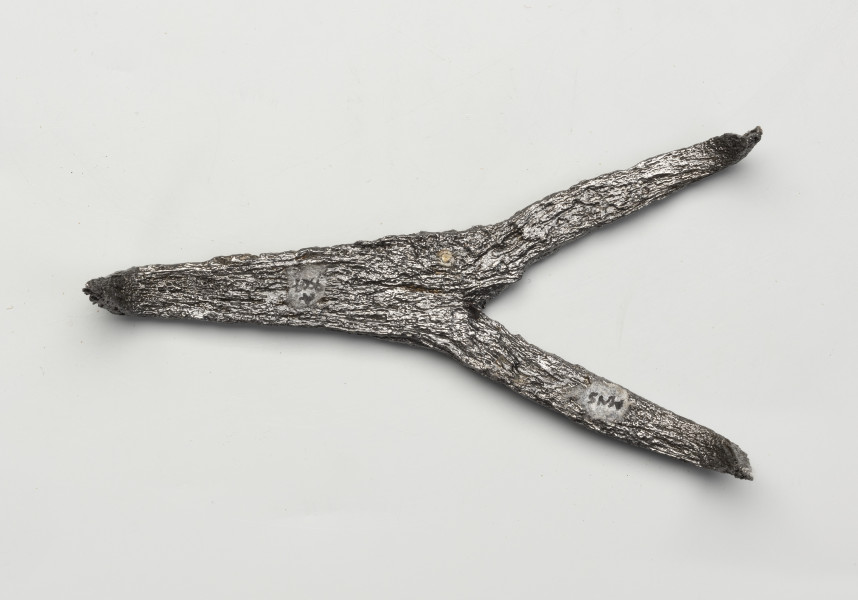
Crampons, also known as żabki (literally "little frogs"), were used to move safely over slippery surfaces. These three-pronged metal devices were made from square-section iron bars, forged while hot. Each arm ended in a spike that embedded into the ground, preventing footwear from slipping. The spikes were positioned at the ends of each arm to maximise traction on snow or ice. They were attached to the sole of a shoe by cutting slits into it and threading the crampon through the openings. Unfortunately, this caused damage to the sole. To avoid this, the crampon could instead be fastened to a piece of bark, which was then tied to the foot with string. Some researchers believe that crampons were essential equipment for fishermen. However, they were also used in transportation and military activities. Merchants and soldiers, especially during winter campaigns, took advantage of them, with the latter gaining a strategic edge over their opponents. Crampons were also used in everyday life. Archaeological material includes four-pronged variants, which are interpreted as horse crampons, fitted to hooves for traction. Finds of this type are relatively rare, despite the fact that such objects were already known in antiquity. They are most commonly discovered in northern Europe, where weather conditions necessitated their use. The National Museum in Szczecin holds many examples of these artefacts, including the specimen on display from Golczewo. They form part of both the museum’s archaeological and ethnographic collections. Ewa Górkiewicz-Bucka
Author / creator
Object type
crampons
Technique
forging
Material
iron
Origin / acquisition method
nieznany
Creation time / dating
Creation / finding place
Owner
The National Museum in Szczecin
Identification number
Location / status
476 — 1250
National Museum in Szczecin
1900 — 1950
National Museum in Szczecin
1940 — 1949
National Museum in Szczecin
DISCOVER this TOPIC
Museum of King Jan III's Palace at Wilanów
DISCOVER this PATH
Educational path