




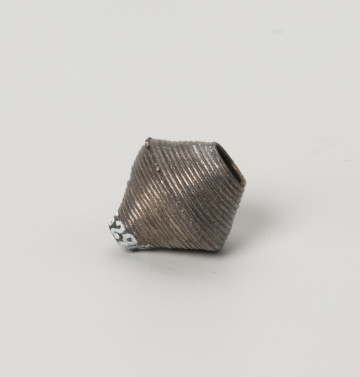
Biconical bead from Lubowidz
80 — 160
National Museum in Szczecin
Part of the collection: Antiquity
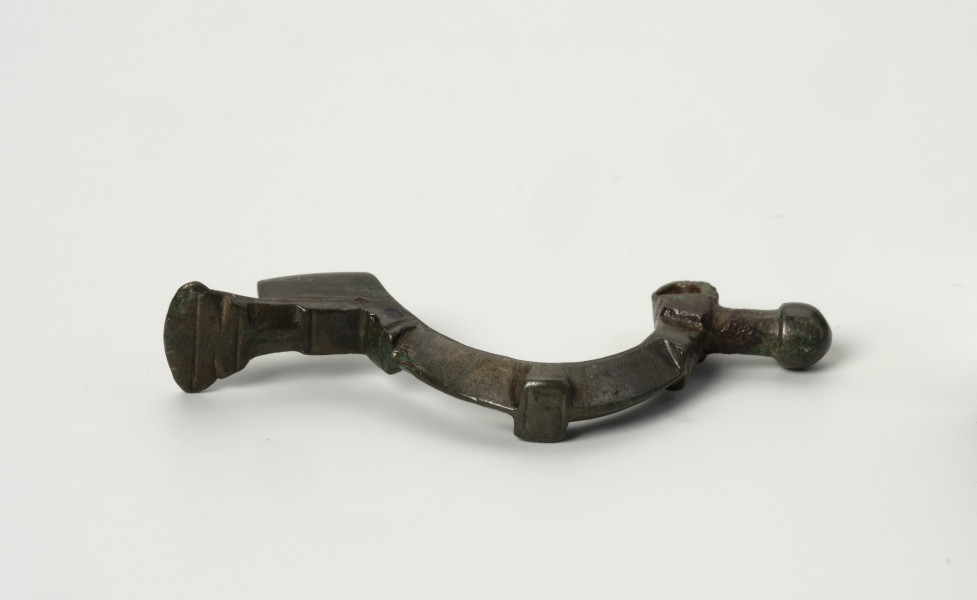
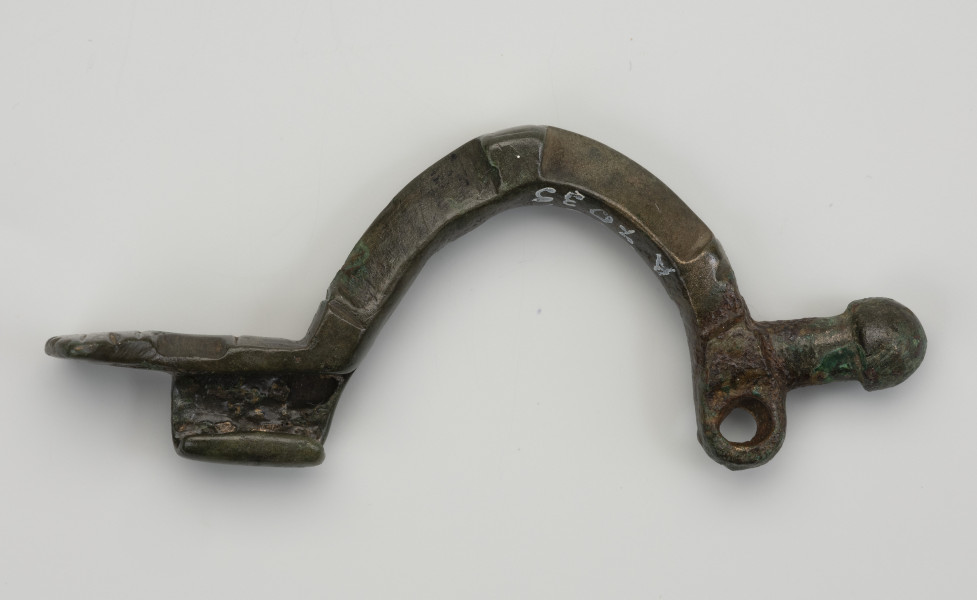
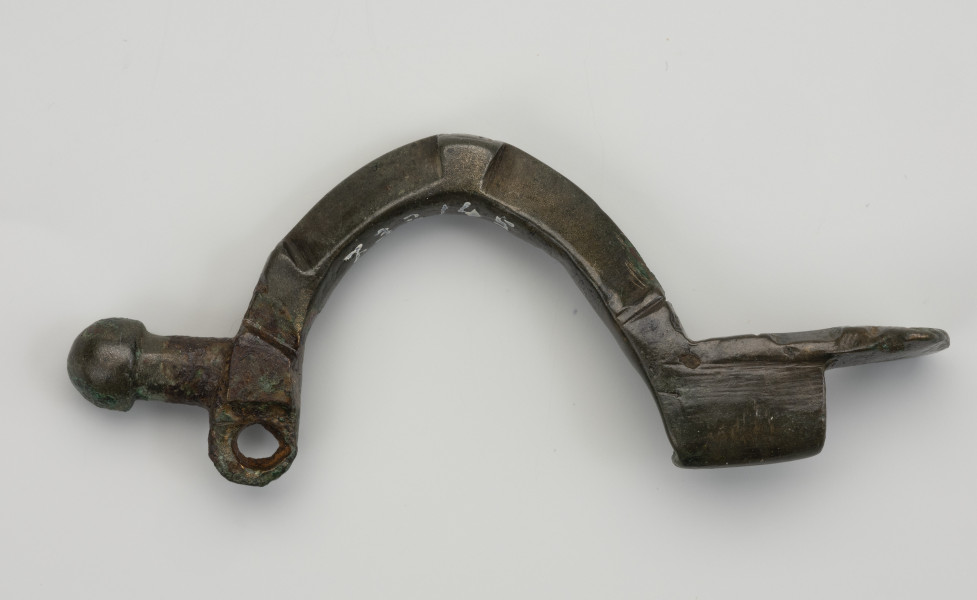
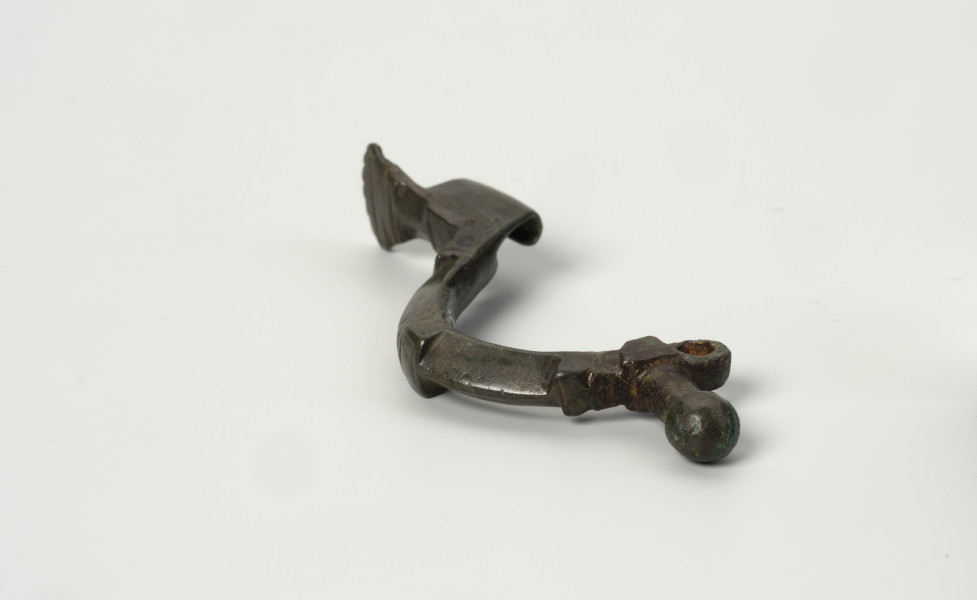
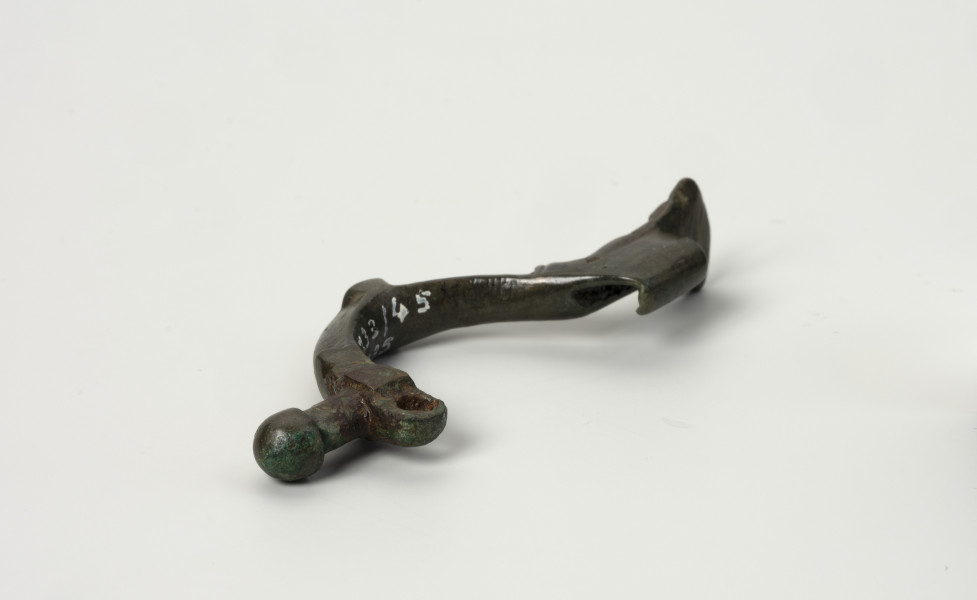
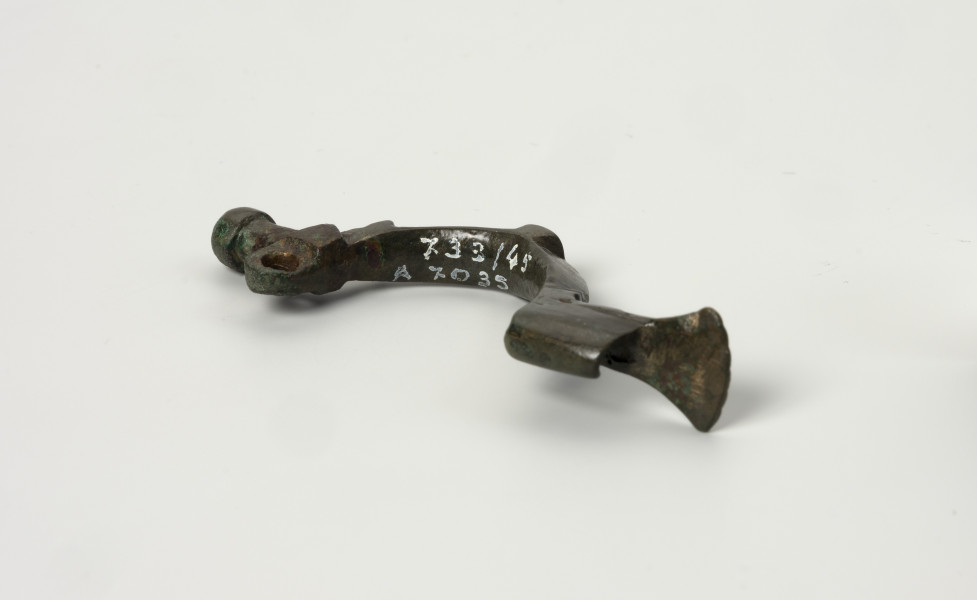
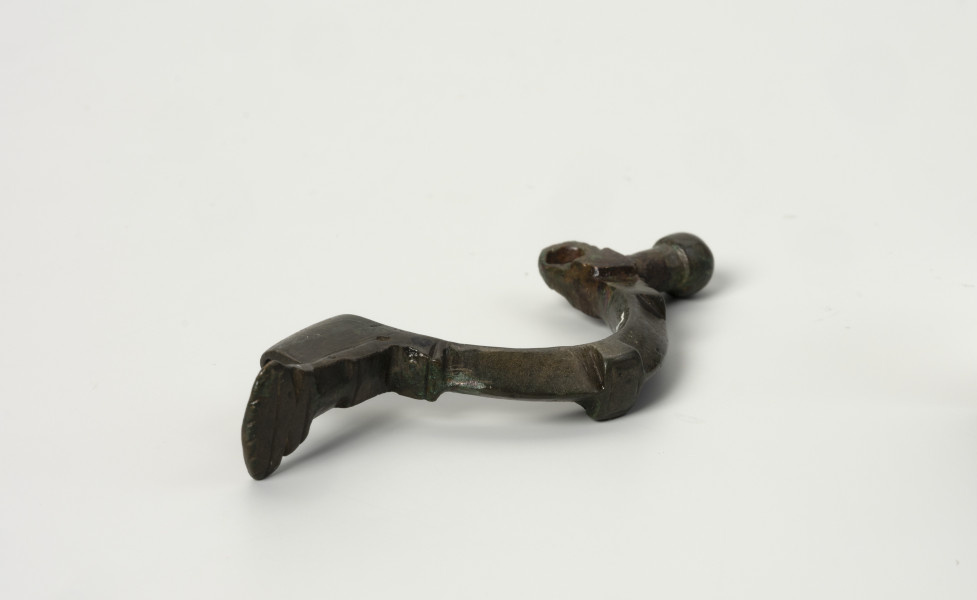
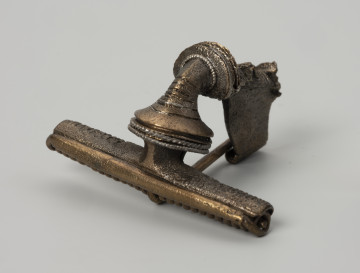
The fibula from the late Roman period, dated to the second half of the 3rd century, was discovered at the cemetery of the Dębczyno group in the village of Borkenhagen, Köslin County, now Borkowice in the West Pomeranian Voivodeship. It was part of the grave goods in skeletal burial no. IV, which also contained an iron belt buckle. The cemetery, now designated as site no. 1, is located on a hill between the village and the road connecting Kołobrzeg and Koszalin. The first artefacts were discovered there in 1892 during sand extraction on land owned by a man named Kropp. A total of seven skeletal graves were recorded at the site, some of which contained unidentified stone structures, possibly remnants of burial chambers. In addition to grave goods, the cemetery yielded artefacts from other, already destroyed burials. Among these finds is a Roman glass beaker, frequently cited in archaeological literature. Some of the discoveries were sent to the museum in Koszalin at the time, while others were transferred to the museum in Szczecin. Bartłomiej Rogalski
Other names
Bügelknopffibel
Author / creator
Object type
pin (fastener), fibula
Technique
casting, forging
Material
bronze
Origin / acquisition method
acquisition
Creation time / dating
Creation / finding place
Owner
The National Museum in Szczecin
Identification number
Location / status
80 — 160
National Museum in Szczecin
80 — 160
National Museum in Szczecin
80 — 160
National Museum in Szczecin
DISCOVER this TOPIC
National Museum in Szczecin
DISCOVER this PATH
Educational path